
How Septic Systems Work: A Complete Guide for Homeowners
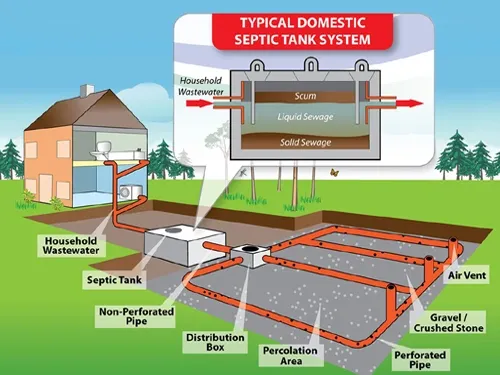
Septic systems are essential for homes not connected to municipal sewer lines. They treat and dispose of wastewater safely. Understanding how they work helps homeowners maintain their systems and avoid costly repairs. For additional guidance on maintaining your septic system, visit the EPA Septic System Information page.
What Is a Septic System?
A septic system is an underground wastewater treatment structure that processes sewage from toilets, sinks, and other household drains. Proper maintenance keeps it functioning efficiently for decades. For more details on what a septic system is, visit ACTAT.
How a Septic System Works
Wastewater from household drains enters the septic tank, where solids settle, and grease rises. Anaerobic bacteria break down organic matter, reducing the volume of solids. The liquid, or effluent, then moves to the drain field, where it undergoes further filtration. The surrounding soil absorbs and treats the liquid, allowing clean water to return safely to the environment. More details on septic system maintenance can be found in Septic System Maintenance Tips.
Key Components of a Septic System
A standard septic system has several important components:
Septic Tank
The septic tank is a large, watertight container made of concrete, fiberglass, or plastic. It holds wastewater long enough for solids to settle and form sludge, while lighter materials like grease and oils float to the top, creating scum. The remaining liquid flows into the drain field.
Inlet and Outlet Pipes
Inlet and outlet pipes move wastewater in and out of the septic tank. The inlet pipe carries wastewater from the home, while the outlet pipe allows treated liquid to exit the tank and move to the drain field.
Drain Field
The drain field, also known as the leach field, consists of a network of perforated pipes buried in gravel or sand. The liquid from the septic tank spreads out and percolates into the soil, where it is filtered and treated before returning to the groundwater.
Soil and Bacteria
Soil and naturally occurring bacteria play a crucial role in breaking down harmful pathogens, removing contaminants before the water re-enters the environment.
Distribution Boxes and Cleanouts
A distribution box (D-box) evenly distributes effluent from the septic tank to the various drain field lines. It ensures wastewater is spread uniformly, preventing overloading in one section of the drain field. If a D-box becomes clogged or misaligned, it can lead to uneven drainage and system failure.
Cleanouts are access points in the septic system that allow homeowners and professionals to inspect and clear blockages in the pipes. They are typically located along the main line leading to the septic tank or in key sections of the drain field. Regular use of cleanouts helps prevent backups and keeps the system functioning efficiently.
Sizing a Septic System for Your Home
A common misconception is that a septic tank size is based on how many bathrooms are in a home. The septic system size is actually determined by the number of bedrooms in a home. The larger the home, the larger the septic tank and drain field required.
- 3 bedrooms: Minimum 1,000-gallon tank
- 4 bedrooms: Minimum 1,250-gallon tank
- 5 bedrooms: Minimum 1,500-gallon tank
The drain field size also varies based on soil type, percolation rate, and daily wastewater flow. A professional evaluation ensures the system meets household needs.
Types of Leaching Fields
Different types of leaching fields are used depending on soil conditions, space availability, and environmental factors:
Conventional Gravel/Stone Drain Field
This is the most common type. It uses perforated pipes placed in a bed of gravel or crushed stone. The wastewater is filtered as it percolates through the gravel and soil.
Chamber System
A chamber system replaces gravel with plastic chambers. This design allows for better wastewater distribution and is ideal for areas with high water tables or poor soil drainage.
Drip Distribution System
This system uses small drip tubing to evenly distribute wastewater across a larger area. It is often used on properties with limited space or shallow soil conditions.
Mound System
For areas with high groundwater or shallow soil, a mound system is used. It consists of a raised mound of sand and gravel where wastewater is treated before entering the natural soil.
Sand Filter System
A sand filter system uses a bed of sand to treat wastewater before it reaches the soil. It provides additional filtration and is ideal for locations with poor natural filtration capabilities.
Pump-Up Systems and Pump Chambers
In some septic systems, a pump-up system is required when the drain field is located at a higher elevation than the septic tank. These systems use a pump chamber to collect effluent before pumping it to the drain field. The pump chamber contains a submersible pump, control floats to regulate water levels, and an alarm system to signal malfunctions. Pump-up systems ensure proper wastewater distribution when gravity drainage is not possible.
Septic Alarm Systems and Battery Backups
Septic alarm systems monitor water levels in the pump chamber and alert homeowners to potential issues before they become major problems. These alarms sound or flash when the water level is too high or when the pump is not functioning correctly. Installing a battery backup for the pump-up system is essential in case of power outages. Battery backups keep the pump running, preventing overflows and system failures during emergencies.
Sewer Scope Camera Benefits
Using a sewer scope camera during a septic inspection provides valuable insights into the condition of your system. A small, waterproof camera is inserted into the pipes to check for blockages, leaks, root intrusions, or signs of damage. This technology helps identify problems early, preventing costly repairs and system failures. It also provides visual confirmation of pipe integrity, ensuring that the septic system is functioning efficiently.
Maintenance and Best Practices
To keep a septic system working properly, homeowners should schedule regular pumping every three to five years, depending on household size and tank capacity. Avoid overloading the system by fixing leaks and spreading out laundry loads to prevent excess water from entering the tank. Be mindful of what goes down the drain—only flush human waste and toilet paper, and avoid grease, coffee grounds, and non-biodegradable items.
Protect the drain field by keeping vehicles and heavy structures off the area and ensuring proper drainage to prevent flooding. Use septic-safe cleaning products and minimize harsh chemicals that could kill beneficial bacteria.
Signs of Septic System Problems
Common warning signs of septic failure include slow draining sinks and toilets, gurgling sounds in plumbing, sewage odors in the yard, wet or unusually green grass over the drain field. If any of these issues arise, immediate action is needed to prevent further damage.
Remember
A septic system is a vital part of many homes. Regular maintenance ensures efficiency and prevents costly repairs. Have On Point Home Inspections schedule a septic inspection for you today!
Schedule an Inspection